


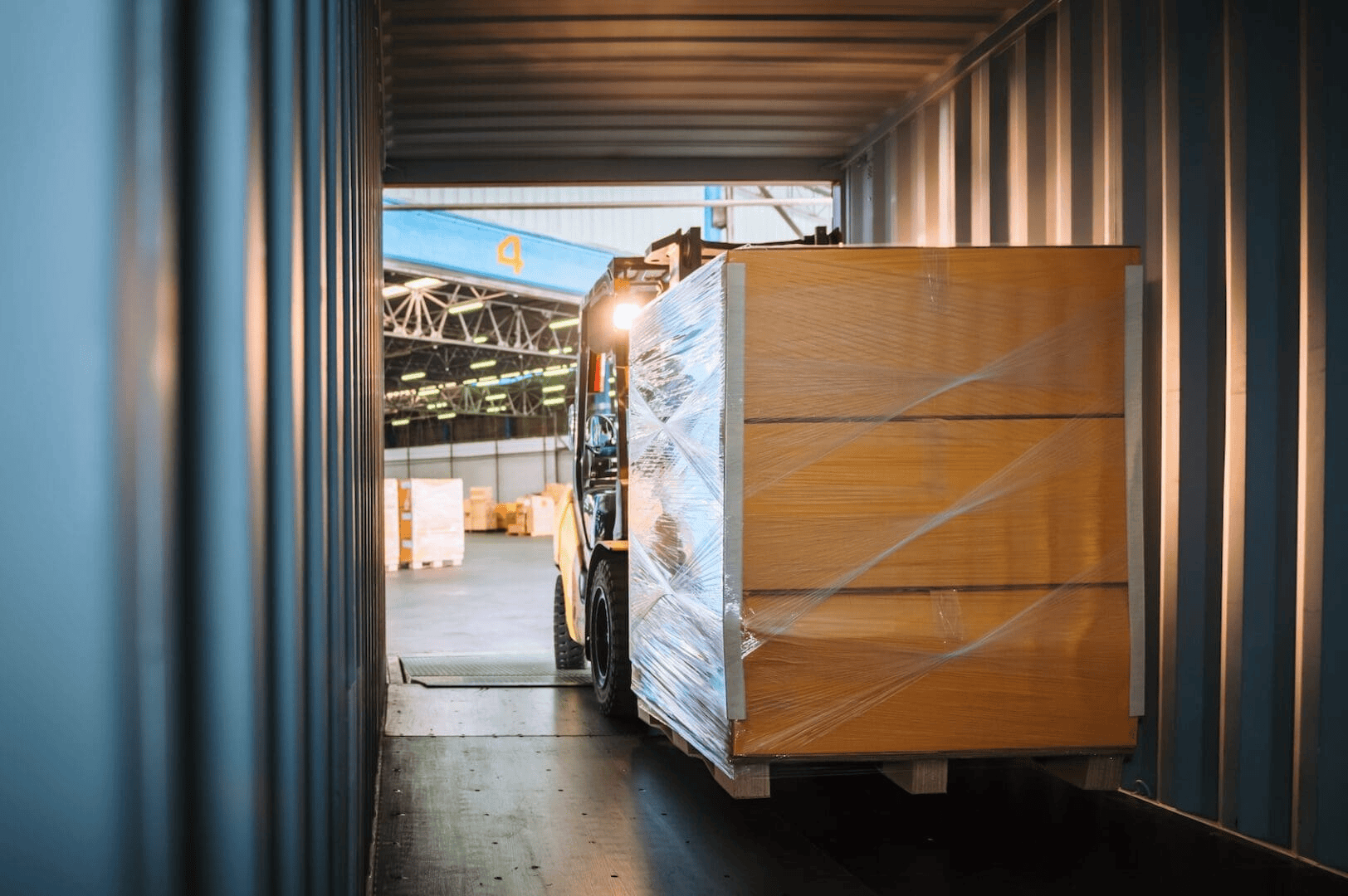
Summary: Four key criteria B2B companies should consider when selecting a North American logistics provider.
Since the beginning of 2026, Chinese new energy vehicle companies have been increasingly active in the Canadian market.
Chinese-made EVs from Geely-owned Lotus have already entered Canada, while BYD is moving forward with its local market plans and Chery is also preparing for market entry. New energy vehicles have attracted the most attention, but behind this is a broader trend: more and more Chinese companies are establishing a real business presence in the Canadian market.
For Chinese manufacturers, cross-border eCommerce companies, and importers and exporters, completing the international leg of transportation is only the first half of the supply chain journey.
Once goods arrive in Canada, they still need to go through port pickup, container de-stuffing, warehousing, inventory management, local transportation, and final delivery. As shipment volumes grow, how smoothly these stages connect will directly affect inventory turnover and delivery efficiency.
Therefore, when selecting a logistics partner in Canada, freight rates certainly matter, but there are four other capabilities that deserve close attention.
01 Local Operations: Who Actually Handles Your Goods Once They Arrive in Canada?
A logistics provider may be able to handle shipments to Canada, but that does not necessarily mean it directly operates every stage of the process.
For businesses, it is important to understand in advance: Who handles port pickup once the goods arrive in Canada? Where will they be stored? How will subsequent LTL, FTL, and final-mile deliveries be arranged? And who will coordinate if delays or other issues occur?
If port pickup, warehousing, transportation, and delivery are handled by different service providers, businesses need to manage not only their goods, but also the flow of information and coordination between multiple suppliers.
Local operating capability is therefore an important factor when assessing whether a logistics provider is suitable for a long-term partnership.
With its local warehousing and transportation network in Canada, Rosedale Solutions can connect multiple stages of the logistics process, including port drayage, container de-stuffing and transloading, warehousing and inventory management, LTL and FTL transportation, and final-mile delivery.
For Chinese companies planning to operate in Canada over the long term, these local capabilities can reduce the complexity of coordinating multiple logistics providers and make warehousing, transportation, and delivery easier to manage once goods enter Canada.
02 Digital Capabilities: Can You Keep Track of Your Shipment Status?
Cross-border transportation involves long supply chains and multiple stages, making information visibility a common management challenge.
When businesses are handling multiple shipments at the same time, communication costs can quickly increase if every status update requires emails, phone calls, or inquiries through different contacts.
Has the shipment been picked up? Where is it now? When is it expected to arrive? Has delivery been completed?
If this information is not available in a timely manner, it can also affect inventory planning, order fulfillment, and customer delivery.
When assessing a logistics provider’s digital capabilities, therefore, it is not enough to ask whether it has an online system. More importantly, businesses need to understand what customers can actually see and do through that system.
Rosedale Solutions’ online transportation management platform provides 24/7 access, allowing customers to check rates and transit times, create shipping orders, track shipment status, and view real-time locations and estimated arrival times.
Digital tools help reduce repetitive communication around shipment status and make it easier to coordinate transportation planning, inventory arrangements, and customer deliveries.
03 Specialized Transportation: EV Batteries Cannot Be Handled Like General Cargo
As Chinese new energy vehicle companies expand their presence in Canada, a more specialized logistics requirement is attracting greater attention: EV battery transportation.
Once electric vehicles enter a new market, local logistics support is also needed for subsequent distribution, after-sales maintenance, and parts supply. EV batteries are particularly heavy and are subject to dangerous goods transportation requirements, making their handling, transportation, tracking, and chain-of-custody management more complex than those of general cargo.
For automotive manufacturers, dealers, repair networks, and related supply chain companies, assessing an EV battery logistics provider requires more than simply asking whether it can transport the batteries. Businesses should also consider:
- Have the relevant personnel received dangerous goods transportation training?
- Can battery status be continuously tracked during transportation?
- Can complete records be maintained at each handover point?
- Is there a clear response process when an issue occurs?
- Once a battery reaches a repair facility, can it be delivered directly to the designated service bay?
Rosedale Solutions provides specialized EV battery transportation services, supporting real-time shipment tracking, individual battery serial number tracking, and digital chain-of-custody records, as well as In-Bay Delivery to designated service bays within repair facilities.
For specialized cargo of this kind, logistics is no longer simply about getting the shipment to its destination. The entire transportation and delivery process needs to remain professional, transparent, and traceable.
04 End-to-End Capabilities: Can Warehousing, Transportation, and Delivery Work Together?
When a company first enters the Canadian market, finding an individual logistics service is usually not difficult.
If warehousing is needed, it can find a warehouse. If transportation is needed, it can find a carrier. If final-mile delivery is required, it can work with another local service provider.
But as inventory and order volumes increase, new questions begin to emerge: When will the warehouse release the goods? When will the carrier pick them up? Who updates the order status? And if a shipment does not arrive on time, which party should handle the issue?
A complete local supply chain in Canada may involve:
Port pickup → Container de-stuffing → Receiving and put-away → Inventory management → Pick & pack → Order fulfillment → Outbound shipping → LTL/FTL transportation → Final-mile delivery
If each stage is handled by a different provider, businesses need to manage not only their goods, but also the processes, information flows, and responsibilities between multiple suppliers.
The ability to combine warehousing, transportation, order fulfillment, and delivery according to actual business requirements is therefore another important factor when assessing a logistics partner.
Rosedale Solutions’ services cover warehousing, freight management, order fulfillment, and distribution across Canada. Different services can be combined according to a company’s cargo type, inventory model, order requirements, and final destination.
For companies that are newly entering Canada or expanding their local operations, this integrated service capability can reduce the complexity of managing a local supply chain.
Once You Enter Canada, Logistics Becomes a Local Operation
Different businesses have different logistics requirements.
Manufacturers may focus more on full-container receiving, inventory management, and bulk distribution. Cross-border eCommerce companies may place greater emphasis on order fulfillment and final-mile delivery. Importers and exporters may need to flexibly arrange warehousing, LTL, and FTL transportation according to shipment volumes, destinations, and delivery schedules.
Regardless of the business model, several fundamental questions remain when selecting a logistics partner in Canada: Does the provider have reliable local operating resources? Is shipment status transparent? Does it have specialized transportation capabilities for special cargo? Can warehousing, transportation, and delivery work together smoothly?
These capabilities will ultimately be reflected in the day-to-day operation of every stage of the supply chain.
If you are looking for local warehousing in Canada, LTL/FTL transportation, final-mile delivery, EV battery transportation, or related services, please leave your company name, contact details and specific requirements through our website. The Rosedale Solutions team will follow up with you.