


Summary: EV batteries, DDR/EOL batteries, and ordinary automotive parts are subject to different shipping compliance requirements in Canada. Before shipping, businesses should pay particular attention to classification, packaging, transportation, and local handling procedures.
As Chinese electric vehicle manufacturers expand their presence in Canada, demand for local aftermarket supply chain services beyond vehicle sales is also increasing.
Once vehicles enter the market, a continuous supply of replacement parts is needed. When a battery fails and requires replacement, a new EV battery must be transported. The removed battery must then be transported, recycled, or disposed of according to its actual condition.
For automakers, dealerships, service networks, and automotive parts suppliers, logistics involves much more than simply delivering goods to their destination.
In Canada, the transportation of dangerous goods is regulated under the Transportation of Dangerous Goods (TDG) framework. For lithium batteries, specific requirements cover classification, packaging, labels, documentation, and personnel training. These requirements vary depending on the mode of transport and the battery’s condition.
Although they are all part of the automotive supply chain, new EV traction batteries, used batteries, and ordinary automotive parts cannot simply be transported under the same procedures.
01 New EV Traction Batteries: Confirm Classification Before Shipping
For new EV traction batteries, businesses must first confirm the battery type, applicable UN number, and intended mode of transport.
For example, commonly used lithium-ion batteries may fall under different classifications, including UN3480 or UN3481, depending on the battery type, packaging configuration, and transportation circumstances.
Before shipping, businesses should verify the following:
- Are the UN number and proper shipping name correct?
- Is the required battery testing documentation complete?
- Does the packaging meet the applicable transportation requirements?
- Are the package markings and labels correct?
- Have the personnel handling the shipment received the appropriate TDG training?
UN 38.3 testing documentation is also an important part of lithium battery shipping compliance. Transport Canada requires applicable lithium batteries to meet the relevant testing requirements.
The key is to avoid inconsistencies between product documentation, UN classification, packaging, and the actual goods being shipped.
02 Used EV Batteries: DDR and EOL Require Special Attention
New batteries are subject to specific transportation requirements, but batteries removed during vehicle repairs may present very different circumstances.
Two categories require particular attention:
- DDR (Damaged, Defective or Recalled) batteries
- EOL (End-of-Life) batteries
These batteries cannot simply be transported using the same procedures as new EV batteries. Applicable packaging, marking, and transportation requirements must be determined based on the battery’s actual condition and the purpose of transportation.
For example, damaged or defective batteries, or those presenting safety risks, require appropriate specialized packaging and transportation arrangements. Batteries being shipped for recycling or disposal are also subject to specific requirements.
This is becoming an increasingly important consideration in EV aftermarket logistics: new batteries must be delivered into the service network, while removed batteries must also be transported out safely and in compliance with applicable regulations.
As the number of EVs on Canadian roads increases, demand for DDR/EOL battery transportation associated with repairs, replacements, recalls, and battery recycling is also expected to grow.
When selecting an EV battery logistics provider, businesses should therefore assess not only whether the provider can transport new batteries, but also whether it can arrange compliant transportation for batteries in different conditions.
03 Ordinary Replacement Parts: The Focus Shifts to Inventory and Delivery Efficiency
Unlike EV batteries, many automotive replacement parts are not classified as dangerous goods, so their logistics priorities are different.
For mechanical components and other ordinary aftermarket parts, businesses are more concerned with where inventory is stored, when orders are processed, when parts are dispatched, and whether they can reach repair facilities on time.
Automotive aftermarket logistics often involves a large number of SKUs, small shipment volumes, and time-sensitive deliveries. If a critical replacement part does not arrive on time, vehicle repairs may be delayed.
This makes local warehousing and distribution capabilities particularly important in Canada.
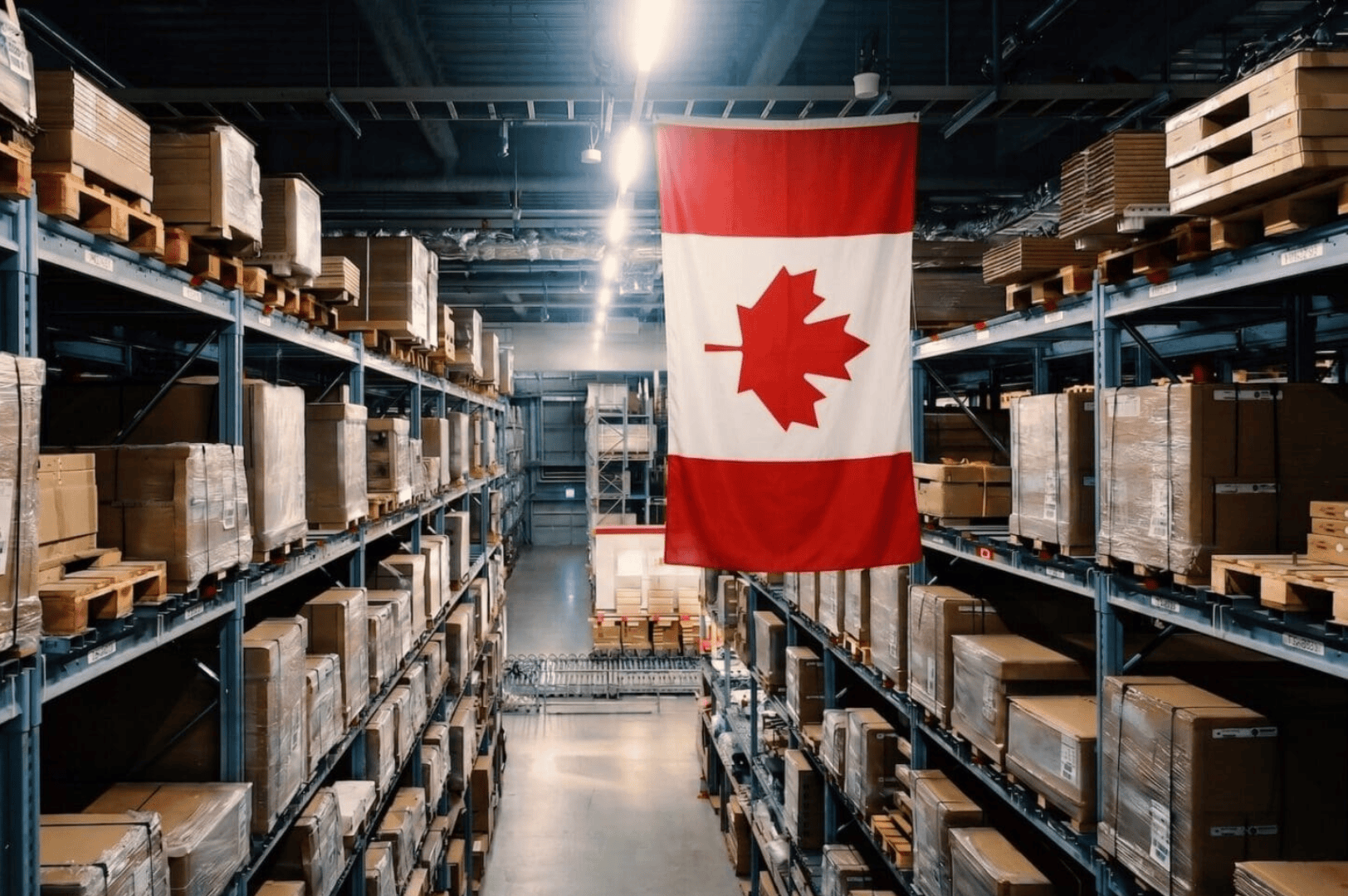
Rosedale Solutions operates a warehousing network across major Canadian cities, including Vancouver, Calgary, Edmonton, Saskatoon, Regina, Winnipeg, Barrie, London, Toronto, Ottawa, and Montreal. These warehouse locations span Western, Central, and Eastern Canada, supporting inventory management and goods distribution across different regions.
Combining warehousing, Pick & Pack, order fulfillment, and domestic transportation and delivery services, Rosedale Solutions can arrange solutions based on a company’s inventory volume, order characteristics, and delivery destinations, helping automotive parts businesses better coordinate local warehousing and aftermarket distribution.
Four Shipping Checks Businesses Should Complete Before Dispatch
Whether shipping EV batteries or other specialized goods, many transportation risks can be identified before a shipment leaves its origin.
① Is the UN Classification Correct?
Transportation requirements cannot be determined solely by describing a product as an “EV battery.” The applicable classification must also account for the battery type, condition, packaging configuration, and mode of transport.
② Are Testing and Shipping Documents Complete?
Lithium battery transportation involves testing requirements such as UN 38.3. Businesses should verify that all required documentation is available in advance rather than discovering missing documents shortly before dispatch.
③ Do Packaging and Labels Match the Shipment?
Different battery types and conditions may be subject to different packaging and marking requirements. DDR batteries, in particular, should not simply use packaging arrangements intended for ordinary new batteries.
④ Do Local Operations Meet TDG Requirements?
Dangerous goods transportation involves more than carriage alone. Warehousing, loading, unloading, and other handling activities must also be considered. Businesses should confirm that personnel involved in these operations have the appropriate TDG training and qualifications.
EV Logistics Does Not End at the Warehouse
For EV aftermarket service networks, logistics must also be coordinated with the vehicle repair process.
Rosedale Solutions offers In-Bay Delivery for EV applications, allowing EV batteries to be delivered directly to designated service bays within repair facilities. This reduces additional coordination associated with receiving and transferring batteries during vehicle repairs.
The service also supports real-time shipment tracking, individual battery serial number tracking, and digital Chain of Custody records, helping businesses monitor batteries from pickup and transportation through final delivery.
As new batteries enter service networks and replaced DDR/EOL batteries leave them, EV aftermarket logistics is developing into a more complete transportation cycle.
Conduct Compliance Checks Early for Better Control Over Specialized Shipments
For EV manufacturers, automotive parts suppliers, and service networks planning to enter or expand in the Canadian market, EV logistics involves more than transportation costs and delivery times.
What is being shipped? What condition is it in? How should it be packaged? Who will handle it? Where must it ultimately be delivered? These questions should be clarified before dispatch.
Rosedale Solutions provides local warehousing, transportation, and EV battery logistics services in Canada based on each company’s cargo type, shipping requirements, and final delivery needs, with appropriate transportation arrangements for specialized goods.
If you are planning warehousing or transportation in Canada for EV batteries, EV replacement parts, or other specialized goods, please leave your company name, contact details and specific requirements through our website. The Rosedale Solutions team will follow up with you.